
Understanding Luck in Gambling
Luck is often perceived as a fundamental element of gambling, significantly impacting the outcomes of various games. It embodies factors beyond a player’s control, such as the roll of the dice, the shuffle of the cards, or the spin of a roulette wheel. These random elements can heavily influence results, allowing even novice players to experience surprising victories. For example, a player may win a significant jackpot on a slot machine purely by chance, showcasing how luck can sometimes overshadow skill and strategy, especially in a casino online environment where the stakes are high.
In many gambling scenarios, especially those based on chance, luck serves as the predominant factor in determining success. The inherent randomness of these games can create an illusion of control, where players mistakenly believe their strategies might impact the outcome. However, these games are deliberately designed to favor randomness, making reliance on luck a double-edged sword. Gamblers often find themselves at the mercy of fate, which reinforces the notion that luck can lead to both exhilaration and disappointment.
Understanding luck is complex, as perceptions of it can vary across cultural contexts. Some individuals may argue that luck is merely a subjective interpretation shaped by personal beliefs and experiences. Regardless of how one defines it, the uncertainty and unpredictability associated with luck remain a significant attraction for many gamblers. By grasping the role of luck, players can better manage their expectations and adjust their gambling approaches, recognizing when chance plays a critical role in their outcomes.
The Role of Skill in Gambling
Skill plays a pivotal role in various gambling activities, especially those that involve strategic decision-making, such as poker and blackjack. Unlike games that rely solely on luck, skill-based games empower players to leverage their knowledge, experience, and analytical abilities to influence outcomes. Over time, successful players master the rules and strategies of their chosen games, significantly improving their odds. This development of skill can transform inexperienced gamblers into formidable opponents, illustrating how skill can mitigate the effects of luck.
Take poker as an illustrative example where skill distinguishes players. In this game, understanding probabilities, psychology, and game theory can greatly enhance a player’s success rate. Skilled players analyze their opponents’ betting patterns and behavioral cues while managing their own bets, deciding when to fold or go all-in based on calculated risks. This strategic depth highlights how skill can elevate a player’s performance beyond mere luck, leading to long-term profitability in the game. The ability to make informed decisions under pressure often determines the difference between winning and losing.

Moreover, skill is not limited to strategic decision-making; it also encompasses qualities such as patience and discipline. Effective bankroll management, the ability to remain calm during losing streaks, and the discipline to walk away from the table when necessary are crucial skills for serious gamblers. By honing these attributes, players can counteract the detrimental impacts of luck, forging a balance where skill plays a significant role in their overall success in gambling. This interplay between skill and luck intricately shapes the landscape of gambling.
The Interplay of Luck and Skill in Different Games
Various gambling games illustrate the differing degrees to which luck and skill influence outcomes. In games like slots and roulette, results are largely determined by luck, leaving little room for players to alter their fate through skillful play. Participants rely heavily on chance, experiencing unpredictable highs and lows. While understanding the odds might help manage expectations, it does not alter the fundamental randomness of these results, leaving players at the mercy of luck.
Conversely, in games such as poker and blackjack, skill plays a more prominent role, enabling players to implement strategies that can reduce the influence of luck. In poker, players develop strategies based on opponents’ behavior and betting patterns, while blackjack enthusiasts often employ techniques like card counting to gain an edge. These examples highlight how the relationship between luck and skill varies significantly across different games, necessitating unique approaches and mindsets from players.
Furthermore, the distinction between chance-based games and skill-based games carries implications for regulations and societal perceptions of gambling. For instance, skill-based games might face different legal scrutiny compared to purely random games, as they are often viewed as offering a fairer competition. Recognizing the blend of luck and skill is essential for both players and regulators to comprehend the complexities of the gambling landscape. This nuanced understanding helps gamblers make informed choices, tailoring their strategies to meet the specific demands of each game.
The Psychological Impact of Luck and Skill in Gambling
The psychological dimensions of gambling are significantly influenced by players’ perceptions of luck and skill. Many gamblers experience the «gambler’s fallacy,» a belief that past events can affect future outcomes in chance-based games. Such misconceptions can lead to poor decision-making and increased risk-taking, as players chase losses under the false assumption that a win is imminent. This scenario illustrates how emotional responses can cloud judgment, making it critical for players to remain aware of the realities surrounding luck and skill.
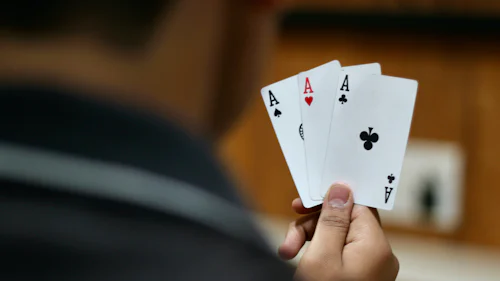
On the flip side, players who emphasize skill often develop a stronger sense of agency and control over their gambling experiences. Recognizing that skill can result in consistent better performance fosters confidence and strategic thinking. This psychological advantage can enhance the enjoyment of gambling, as players derive satisfaction from mastering their chosen games. For many, the ability to apply skill and strategy transforms gambling from a mere game of chance into an engaging challenge to be conquered.
However, it is essential to strike a balance between pride in one’s skills and an understanding of luck’s role. Overestimating one’s abilities can lead to reckless behavior, especially in scenarios where luck can significantly sway the outcome. Thus, acknowledging both aspects is crucial to cultivating a healthy gambling mindset. By understanding the psychological effects of luck and skill, gamblers can aim for a balanced approach that enhances their overall experience while minimizing associated risks.
Exploring Resources and Communities for Gamblers
For those looking to deepen their understanding of gambling, a wealth of resources and communities exist to discuss the balance of luck and skill. Websites dedicated to gambling strategies offer insights into various games, comprehensive guides, and forums where players can share experiences and techniques. These platforms foster a sense of community among gamblers, allowing them to connect, learn, and grow while appreciating the subtleties of gambling.
Moreover, numerous online communities and social media groups facilitate ongoing discussions and support for gamblers navigating the intricate interplay between luck and skill. Participants often share tips, strategies, and personal anecdotes, creating a collaborative environment that emphasizes learning from one another’s experiences. Engaging with these communities can significantly enhance a player’s approach, allowing them to refine their skills while simultaneously acknowledging the unpredictable nature of luck.
In conclusion, resources that educate players about the dynamics of gambling are invaluable. They empower individuals to make informed decisions, ensuring they can enjoy gambling responsibly while recognizing the delicate balance between luck and skill. Exploring these communities offers lasting benefits and encourages a deeper appreciation for the art and science of gambling, enabling players to navigate their gambling journeys with greater confidence and clarity.